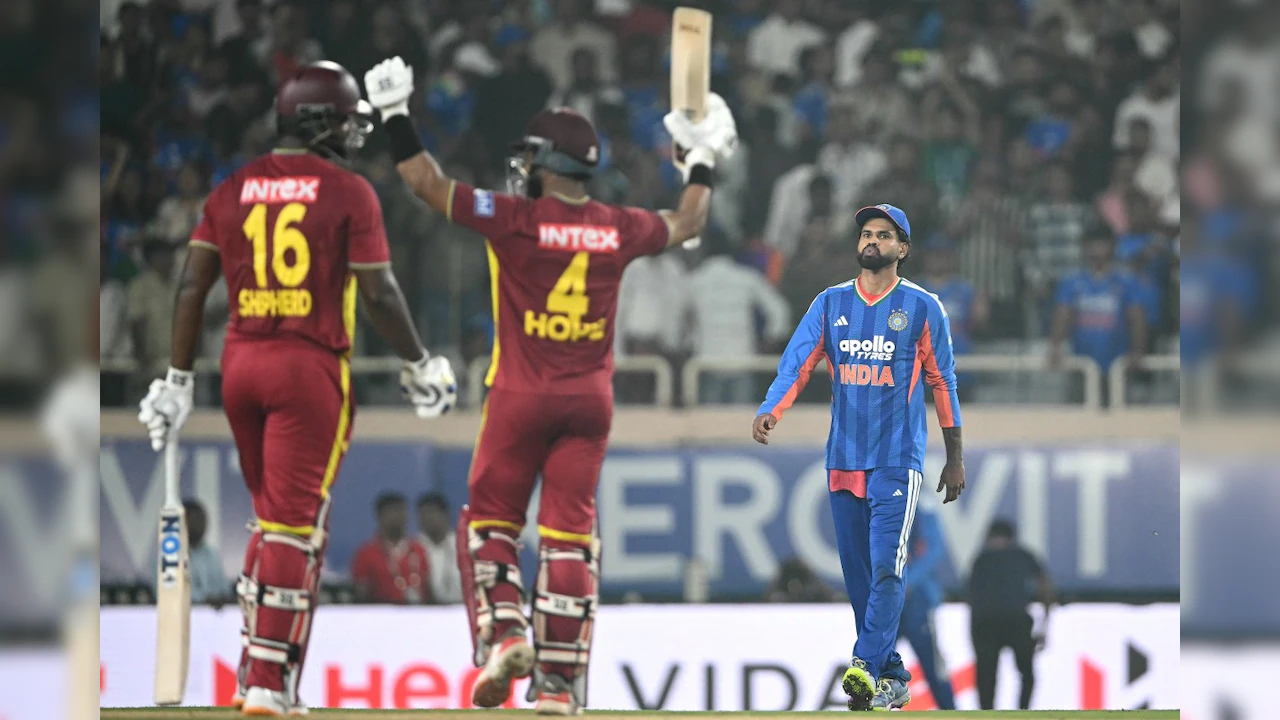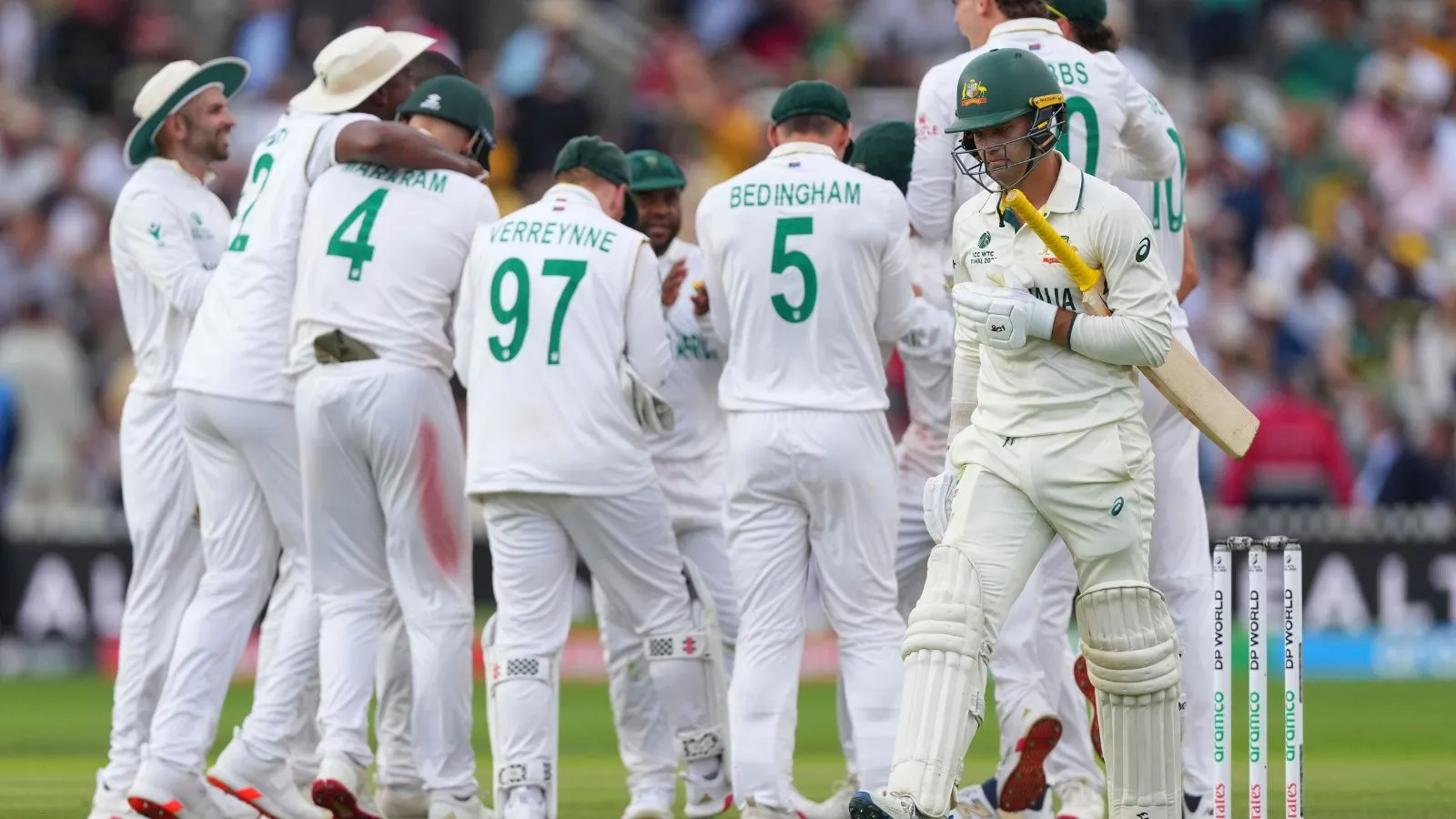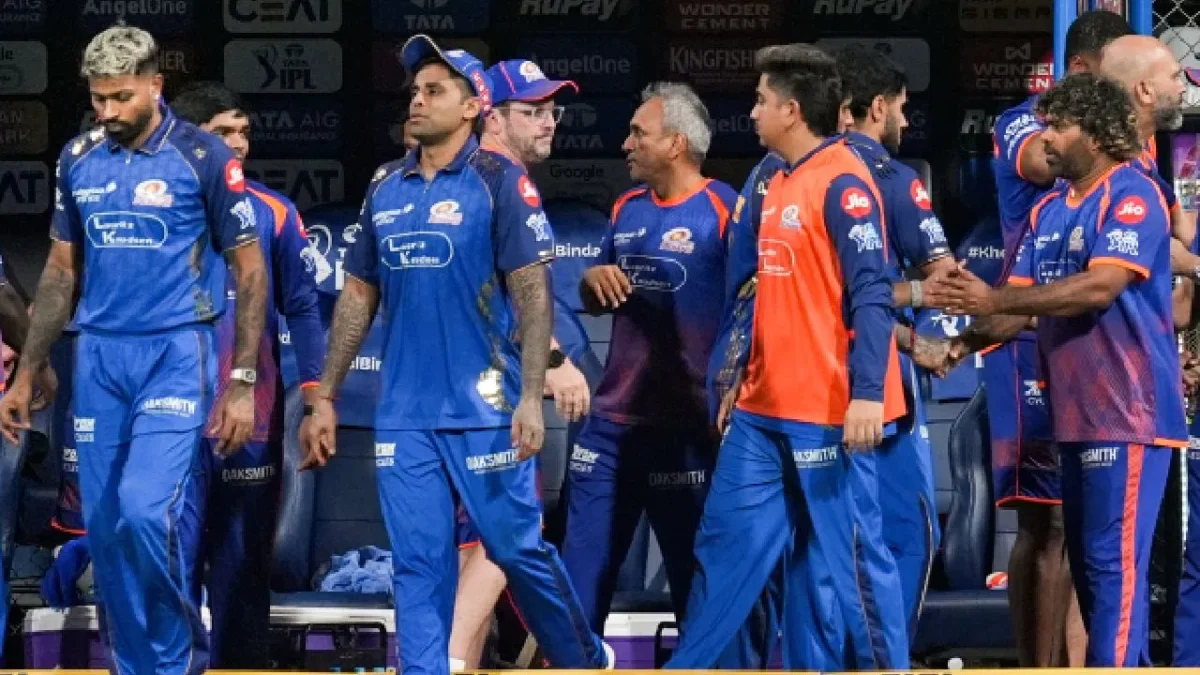
There was something weird about the sound around the ground. Not the typical Mumbai buzz– rather a blend of incredulity and silent anger as another pursuit was lost.
Once the team that was feared on big nights, Mumbai Indians appeared to have few answers again. And you might feel it at the first onset. Two wickets during the powerplay, heads falling, the dugout strangely silent – it all went.
With a target of far much more than 200 against Chennai Super Kings, the effort did not always turn into possession. The initial couple of overs were in a hurry. Shots that have no bottom, singles turning to dots and then the unavoidable error. The game already appeared to be going against them when the needed rate had passed 11, then 12. You might experience that change in the grandstands–that instant when faith is sneaking out.
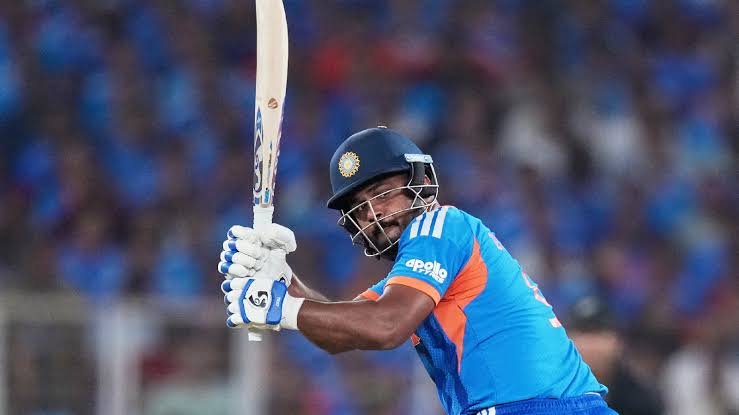
And yet it was not about the chase. Sanju Samson had given a masterclass earlier in the evening. Relaxed, nearly out of the fray. He strode his innings as though he was batting on a new surface. The hundred arrived without any ado–a lift of the bat, a quick glance at the dressing room–but the damage was done. His century of consecutive hits brought Chennai to a total which always seemed to be a bit too high.
Mumbai’s response? Fragmented. A limit here, a prospective swing there. Nothing to sew together. Once a couple of batters stood mid-pitch, their hands on hips, merely staring out–as though to find a way of returning that was nonexistent. When the crash finally arrived, it was not a shock so much as a gradual, predictable, slide.
At one point, being a match-up with Mumbai had a different meaning altogether. Close matches, dramatic moments, somebody to the fore. Today, on IPL 2026, the script has a different appearance. Such defeats, massive, one-sided defeats, are becoming less shocking. And therein lies the alarming thing.
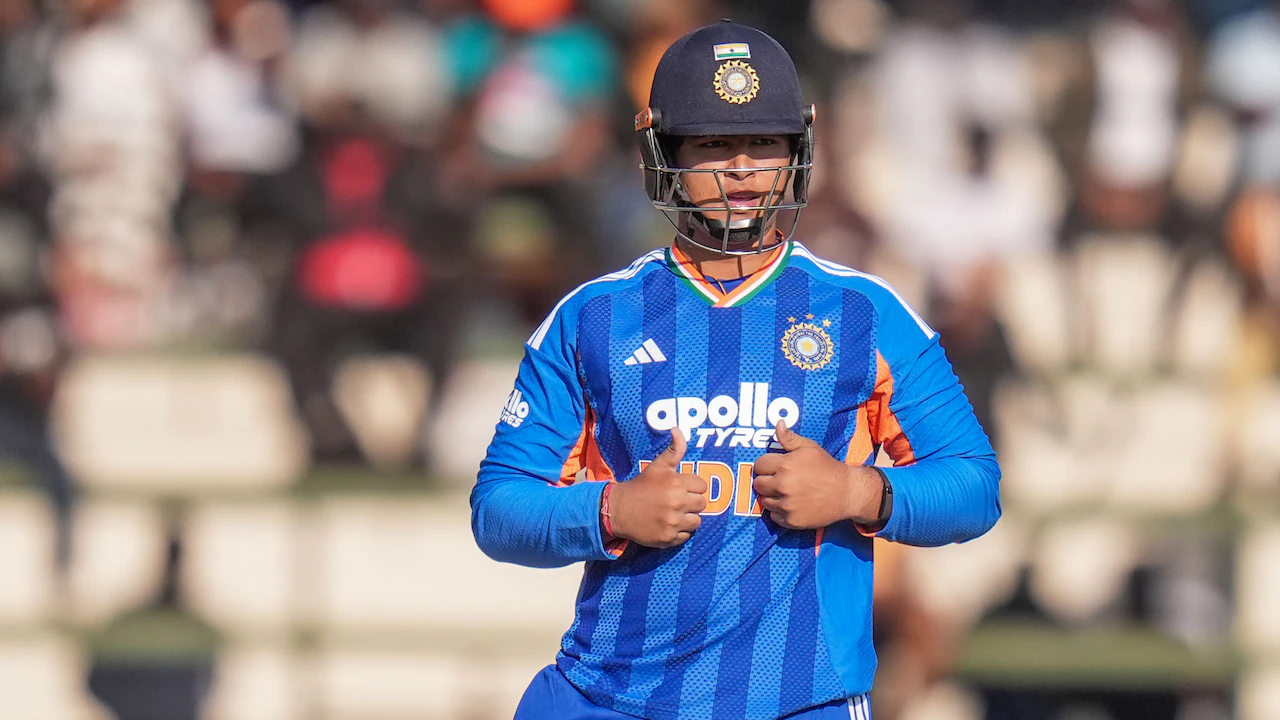
In theory, Hardik Pandya is leading by example, but he appears to be in search of the right combination. He shuffled players, considered various possibilities, but nothing seemed to fit. You could hear the talk in the dugout even when at a distance–a dashed, bustling, and then a pause.
The implications of this in the future.
To Chennai Super Kings, this was a statement that did not require a lot of articulation. It all fell into place, a big personal game, the backing of the rest and the composure to finish the game off. Such are the types of victories that make campaigns. Silently, gradually, they are picking up steam.
Mumbai are, however, gazing at more difficult questions. It is not merely a question of a single defeat. It’s the pattern. The unrhythmic, the unsettled core, and probably the most crucial of all the loss of the confidence. That you could feel in the body language– fielders a step slower, batters a second-guessing.
There is time left in the tournament. And when there comes a team that has rewritten the scripts, then it is Mumbai. However, at this moment they do not appear like that side. Not yet. And in a contest where so much time is lost in seeking answers, a delay that is excessive may be costly.