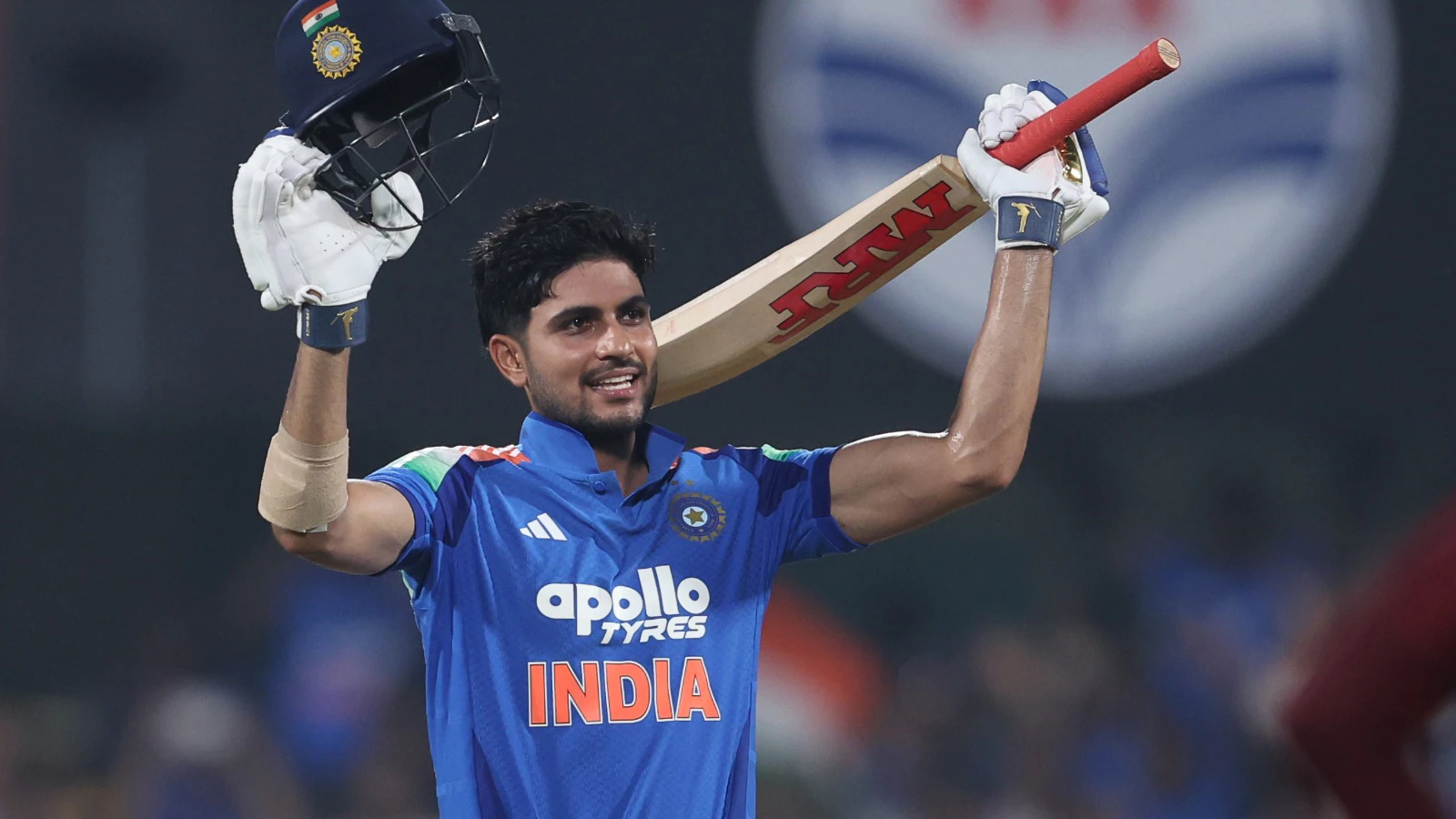
Shubman Gill has a list of things to do, not celebrate, after India’s clinching series win over West Indies. The captain’s post ODI remarks indicated that India was not just looking to make larger numbers, but to become more consistent in the areas which can make the difference in close contests.
The difference between Mullanpur was very noticeable. India scored 351 runs but West Indies did not need 10 balls to reach the target. The difference between both batting and match control is a sign for Gill of what needs to be worked on.
One of them is Fielding. Gill admitted that India missed out on several chances in the last match and that it missed out on about seven catches in the series altogether. He felt “runs were allowed to run away unearned in the field, too.
This is important as modern ODI cricket is more about small moments than the best individual performance. A dropped chance can get an innings longer and change the required rate and make bowlers to spend extra overs to remove a batter who should be out.
Shai Hope was the most clear-cut example. But the West Indies skipper had not been bowled out as he accumulated 162 runs to win the game. India had created opportunities but didn’t convert many of them into wickets.
The other worry that Gill has with the Indian bowlers is that they have been unable to generate enough pressure in the initial and final stages of an innings. If there’s no regular progress in those phases, the opposing side can build up a lead in the game before the restrictions are removed.
The middle overs are different. “Wickets are hard to make during that time, when there are four players outside the circle,” Gill said. When there is no opportunity for a chance, and the fielders are also giving opportunities, it’s back to the bowlers.
That’s why Gill’s criticism is not confined to one department. He believes that when the fielding team is not getting much help from the ballroom, it can make up for it. Good stopping play or a good run-saving play can put the pressure on and make it easier to make the error.
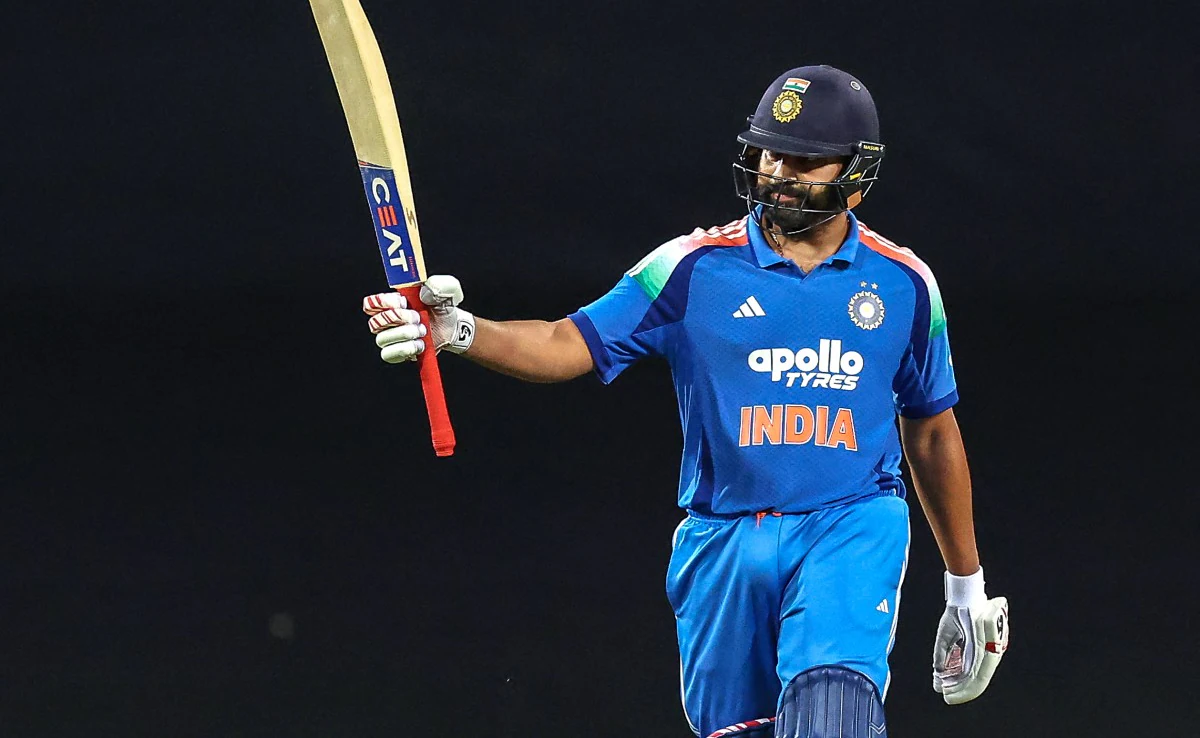
That is even more crucial in India, where the batting power is crucial. Rahul’s 129 and Rohit’s 92 proved the teams’ knack for building big ODI scores, but the last game proved that even 350 plus runs are not enough to be in control when opposition batters are given freedom.
That 2-1 series result is thus only part of the assessment for Gill. The next step is to eliminate the shortcomings that manifested themselves in the overall game in India.
The captain’s message is simple: The team must start with the batting, but disciplined bowling and classy fielding are needed to complete the task for India. The information is probably going to be much more significant if the opposition and level of stakes increases.