The very bowlers who play a pivotal role in the Indian team’s bowling attack were responsible for the team’s defeat against the West Indies in Ranchi, raising questions about their utilization in T20 cricket.
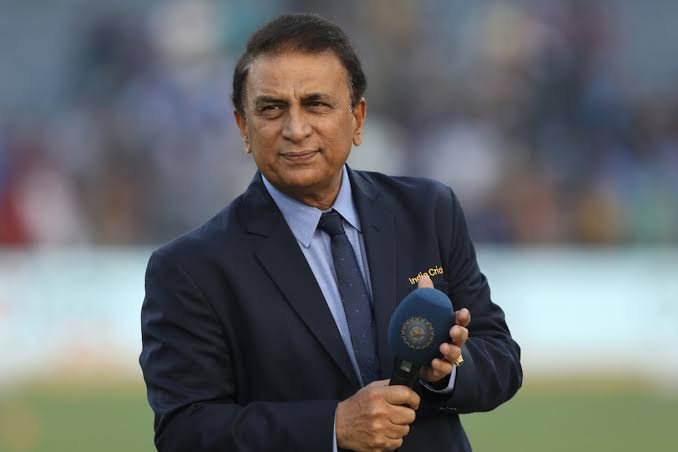
In response, Sunil Gavaskar has questioned the Indian attack about the reason behind their performance as they had provided enough runs to set up a winning situation. His remarks were not just about the bowler’s figures, but also on their “strategy” and whether it was suitable for the conditions and the opposition they were facing.
Former India captain feels that the bowling coach ought to ask himself if the players have been able to do what he had planned. It was a timely shot after the India lost the match after crossing 240 but failed to take hold of the match.
Varun Aaron took things a step further. The former fast bowler criticised India’s move to bring on Axar Patel in the powerplay after West Indies had bowled out two of their own in Mayank Yadav’s first over. Aaron felt India should have kept the pace going as the middle order bats could have been given a few more runs in the new ball.
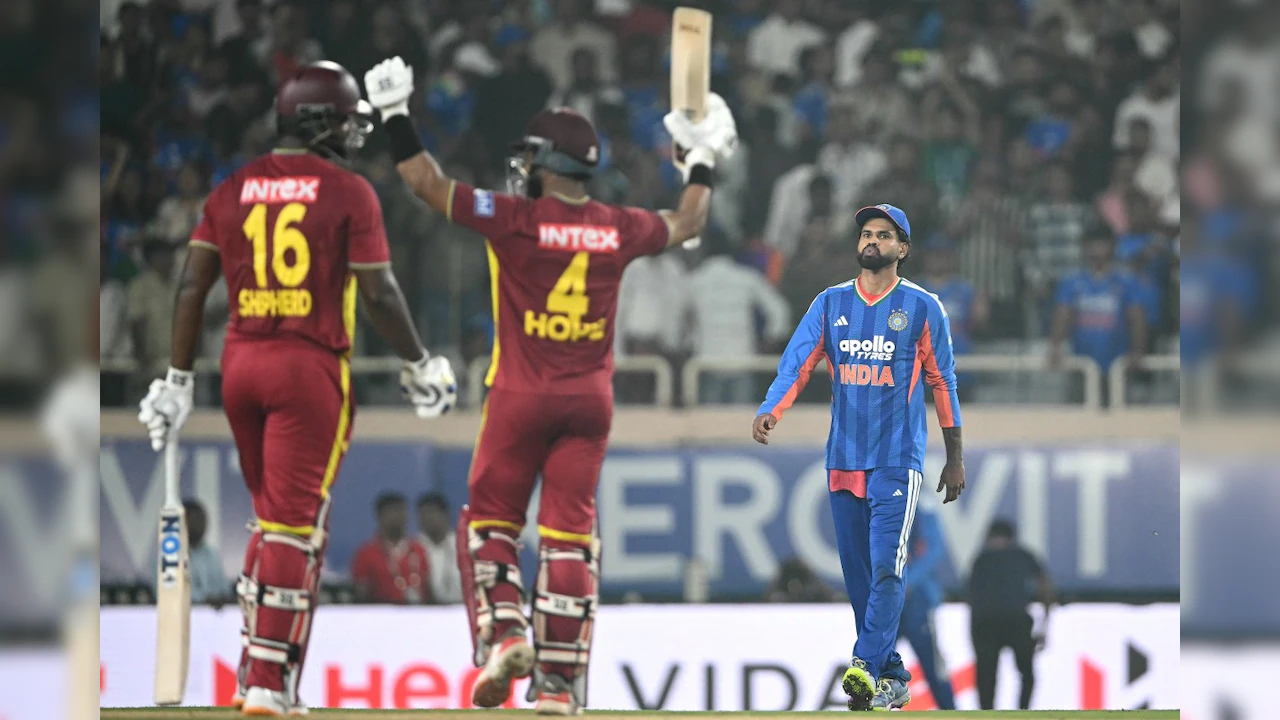
The decision turned into a talking point, as the away side bounced back from its early losses. India had no hesitation to face the onslaught of Shai Hope and Sherfane Rutherford as the pair struck a winning combination.
Hope was unbeaten on 102 off 45 balls, while Rutherford had 84 for 37 balls. They had scored 120 in 54 balls and India could not mount any pressure, even after Rutherford left the field.
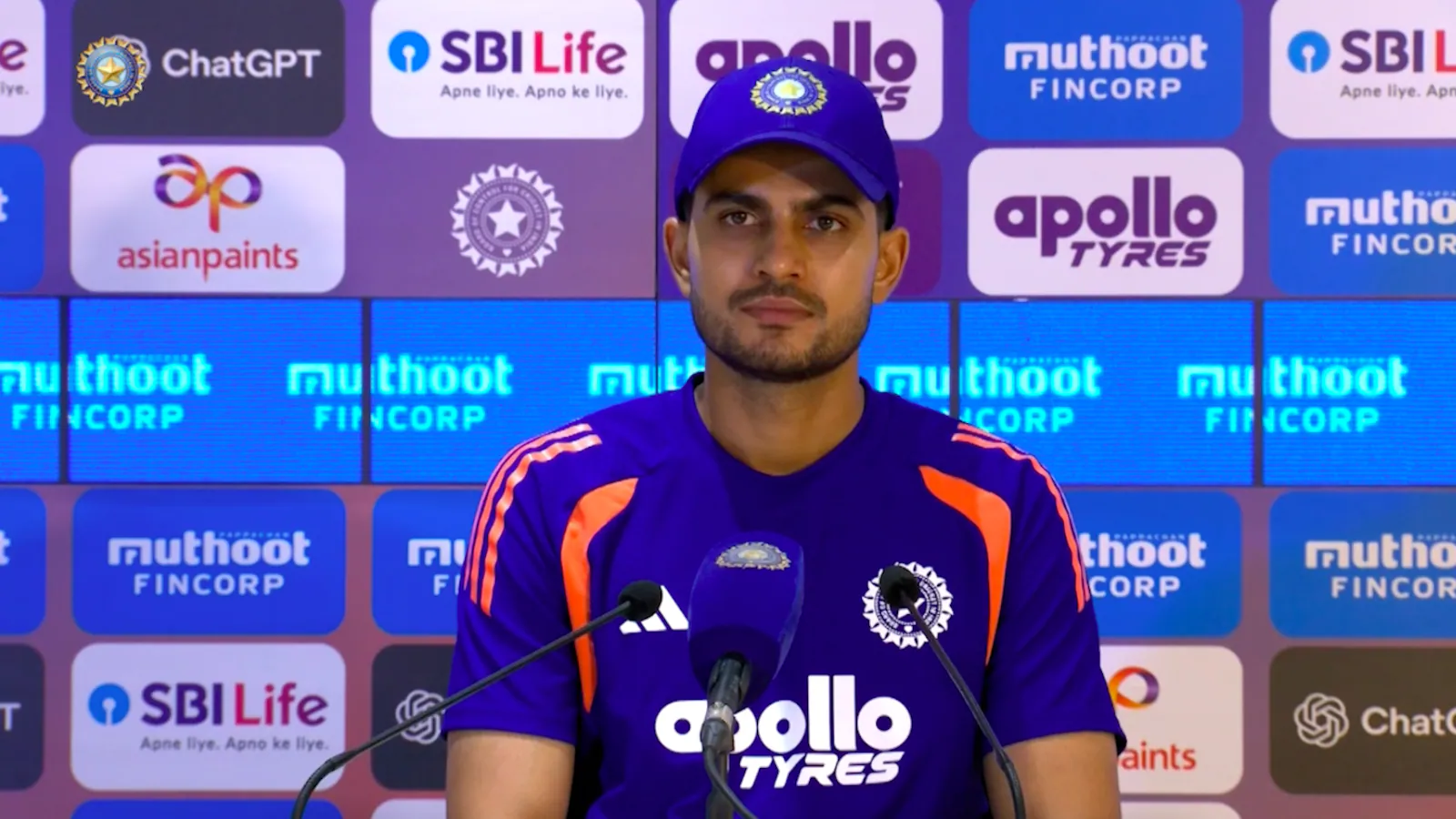
Other factors were also at play. The bowlers were not able to have a comfortable game with the heavy dew as they had to face the challenge of controlling the ball and doing variations. Shreyas Iyer, the skipper of the Indian team, has admitted that it was hard to foresee what the target would be enough with the conditions present.
However, the post-match discussion isn’t just about the need for India to pick up another 10 or 20 runs. Gavaskar’s sharp critique has got to do with preparation and execution while Aaron’s has highlighted a point of how fast a captain should move away from a good opening bowling combination.
Those questions will be important for India as they try to build a sturdy defence against the aggressive T20 batsmen. Bowling changes should be in keeping with the state of play; plans should take into consideration changing conditions that could vary greatly from one inning to the next.
The Ranchi tournament saw a 501-run aggregate, the second highest in the history of men’s T20I cricket. The six wicket victory also gave the West Indies a level series with a stand of two wickets.
What is immediate for India is to conduct a review of how it has handled the attack once it failed to create a sustained pressure. The result has put tactical decisions, rather than individual bowling abilities, into the spotlight.