The scandal surrounding the hosting of the 2026 Men T20 world cup in Pakistan by the team has brought to the fore the fact that the current decision making in cricket is no longer based on sporting issues. What started off as a political solidarity exercise has now been concluded with Pakistan withdrawing and consenting to play, more so because of the reality on the ground than the emotional standings.
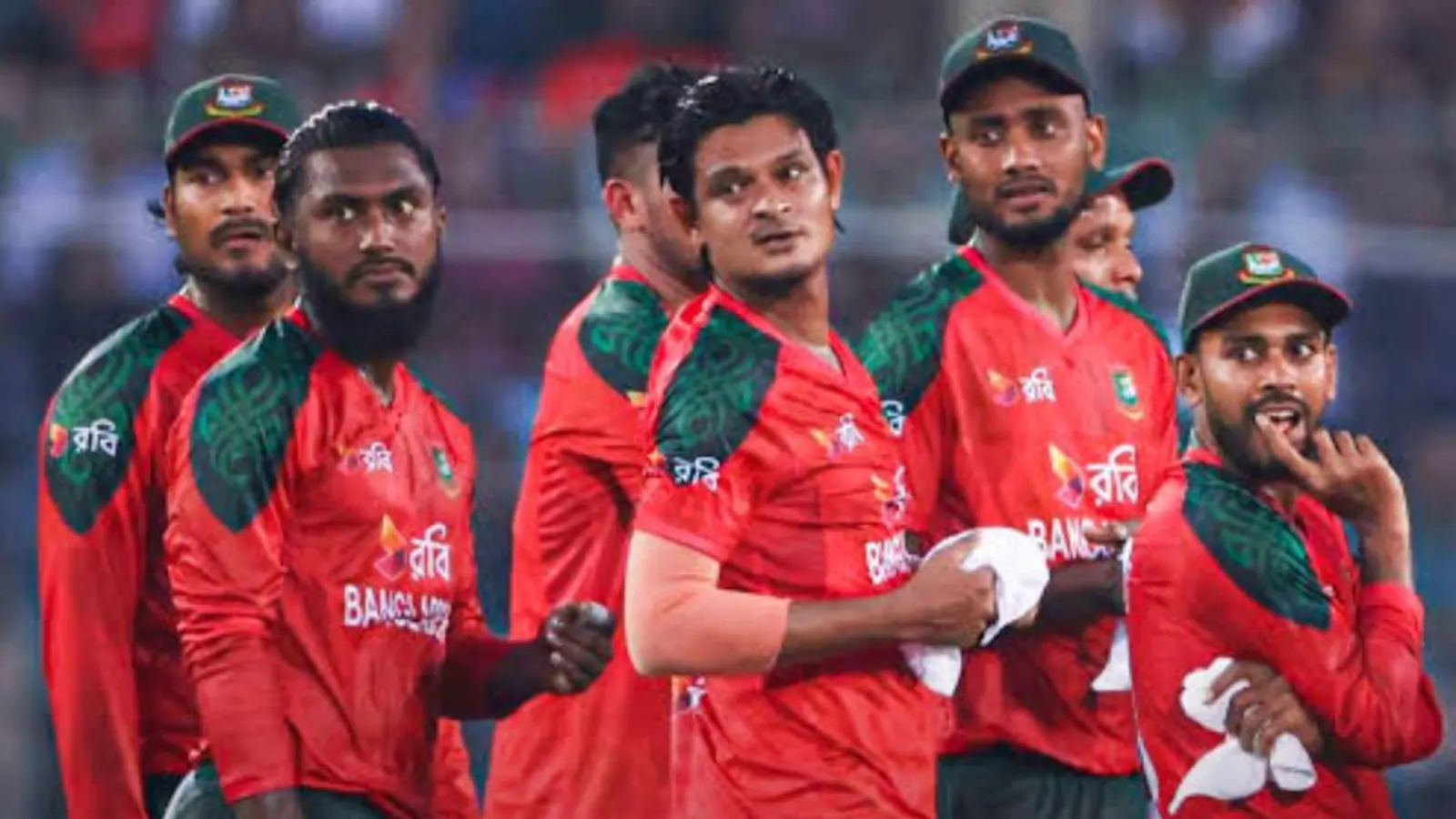
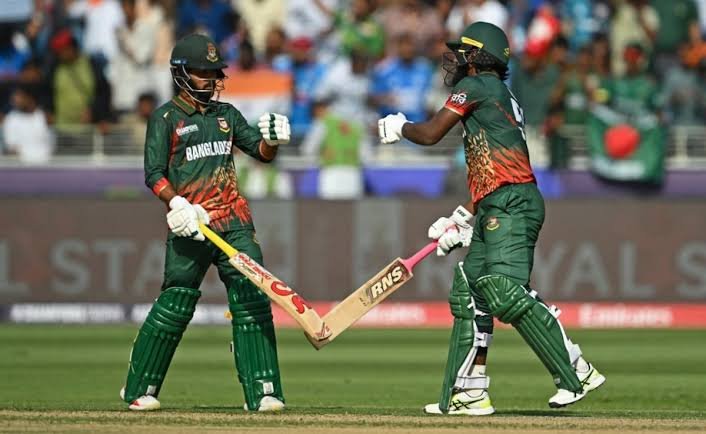
The previous rejection by Pakistan was associated with the expulsion of Bangladesh in the tournament. Bangladesh had requested that they play their matches outside India which was refused by the ICC. To this, Pakistan came out publicly to back Bangladesh and declared that it would not participate in the February 15 battle against India. That ruling instantly left the question of one of the most commercially significant fixtures in world cricket in doubt.
The cost of such an attitude, however, was very expensive behind the scenes. The financial consequences of missing one of the scheduled World Cup matches include not only is it a game missed on the table, it comes with financial consequences as well as strained relations with ICC and long term effects on the cricket board which was already struggling economically. These realities began to sink in and the administrators of cricketing sport in Pakistan informed the government of the dangers.
Simultaneously, the ICC was quite adamant. Although the governing body was sensitive to the situation in Bangladesh, it was also clear that not all commitments of the tournament can be selectively fulfilled. The one-time processed World Cup schedule is not made to fit around the political wrangles without harming the integrity of the event.
International discussions with the friendly countries were also an important factor that was silent. Instead of blowing the situation out of proportion, Pakistani was advised to work towards a solution that would not cost it much more isolation but would ensure that the relationship between regional cricket would not be destroyed. As the various forces came into play, it was the government level that finally decided to enable the team to play.
The episode highlights a greater reality of international cricket in the current situation. There is the connection between power, revenue and responsibility. Emotional overtures might take center stage but the long-term involvement requires adherence to international systems. This balance can also be seen in the reversal of Pakistan, where the ideals and the consequences are clashing, and in the end, pragmatism is proved right.
The question being resolved, the question of the tournament is again in the limelight. Nonetheless, the point is made: there is hardly a case when it is that easy to walk away in the world of global cricket.