South Africa are up against a very peculiar second Test selection conundrum against Australia: the return of their top speedster may come at the cost of their specialist spinner at a ground where spin is a key component.
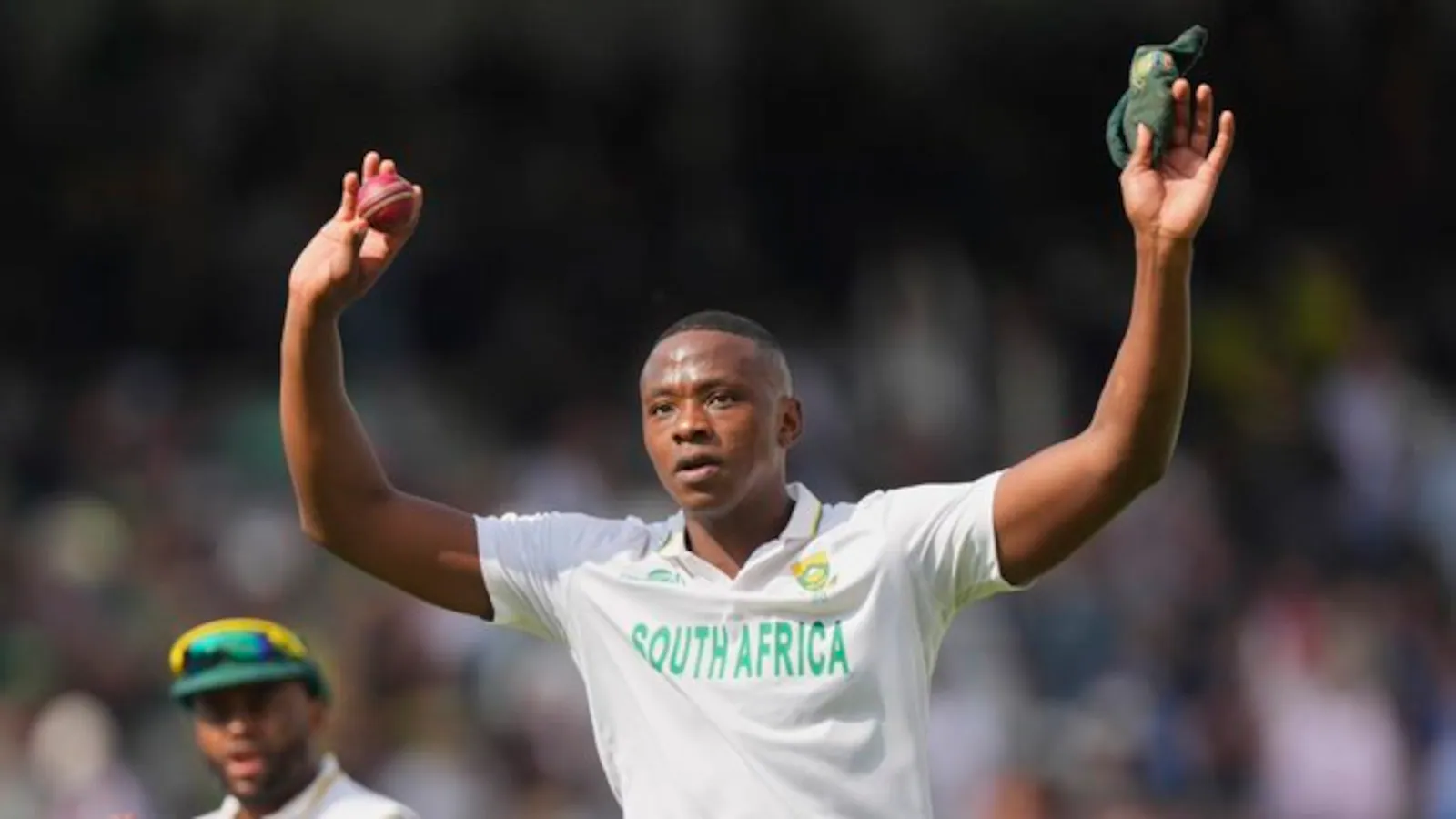
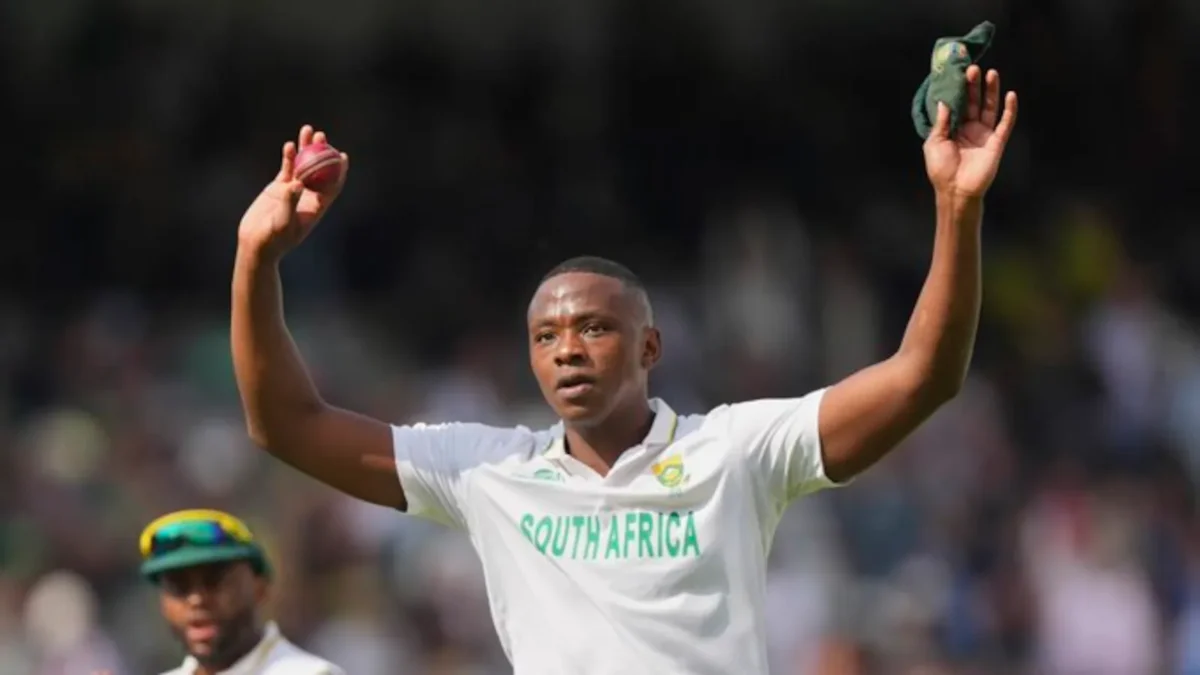
Kagiso Rabada has gone far enough to be fit to return to the Gqeberha Test, which begins October 18, following the hamstring injury he sustained in the first Test. The expected weather will have an impact on how the hosts build their attack as he is now available to join them in the opening match.
The first two days are expected to be rainy, which could limit the opportunity for bowlers to take advantage of the conditions. The woolliness makes the decision between keeping Simon Harmer and the other options of adding a fast bowler with Rabada difficult.
Captain Temba Bavuma has stressed the confidence Rabada has in the attack. The presence of the bowler may boost the intensity of the team, meanwhile for Australia Pat Cummins has admitted that the bowler poses a threat.
The hosts will also have to figure out their batting lineup. Kyle Verreynne is expected to be out, which will give Ryan Rickelton the chance to move into the lower order and Matthew Breetzke an opening role. Marques Ackerman is another player to watch and has the potential to make his debut in Test cricket.
The alterations would make South Africa look different on the side that was holding itself back in Durban. The first Test revealed that there was a big disparity in the batting performances: Matt Renshaw was Australia’s 190 and 82, while Markram was the only other South African batsman to post an innings of more than 50.
But the Australians have less need to change their winning formula. Cameron Green is not available with an abdominal injury, but otherwise the visitors might have been able to keep their XI in place that has taken over the series.
South Africa have previously enjoyed two victories in three Tests at St George’s Park against Australia and would have liked the opportunity to play there again. But the present questions of selection are not to be determined by conditions and history.
The second Test will thus open with the dilemma as to whether the match will be averted due to weather or whether the Proteas will take the chance. Rabada’s return will make them more balanced against pace but they will have to make a decision on whether to alter their pace mix to accommodate his return.
In either combination needed South Africa a more productive performance to put Australia under sustained pressure. The problem is to use the best of Rabada’s return, while not losing sight of the fact that there is a need to improve overall.