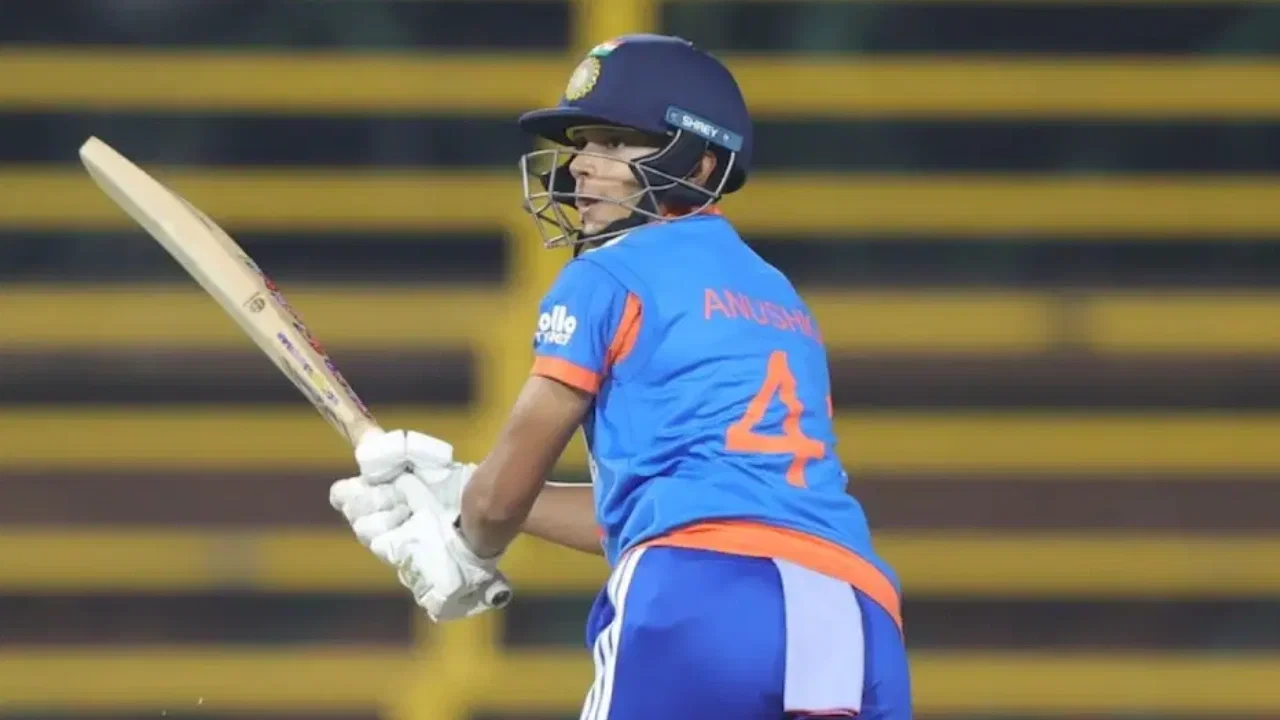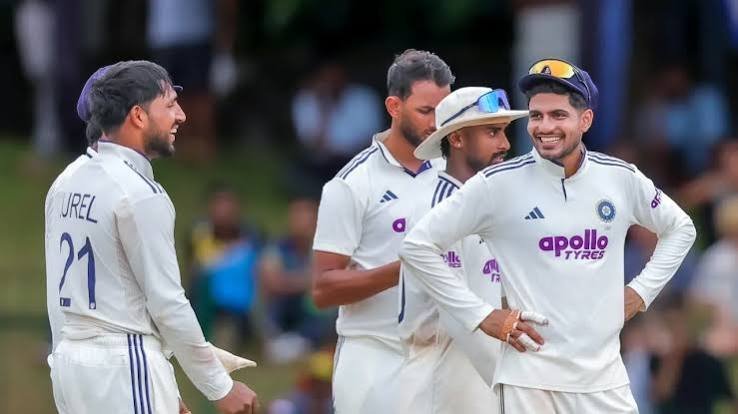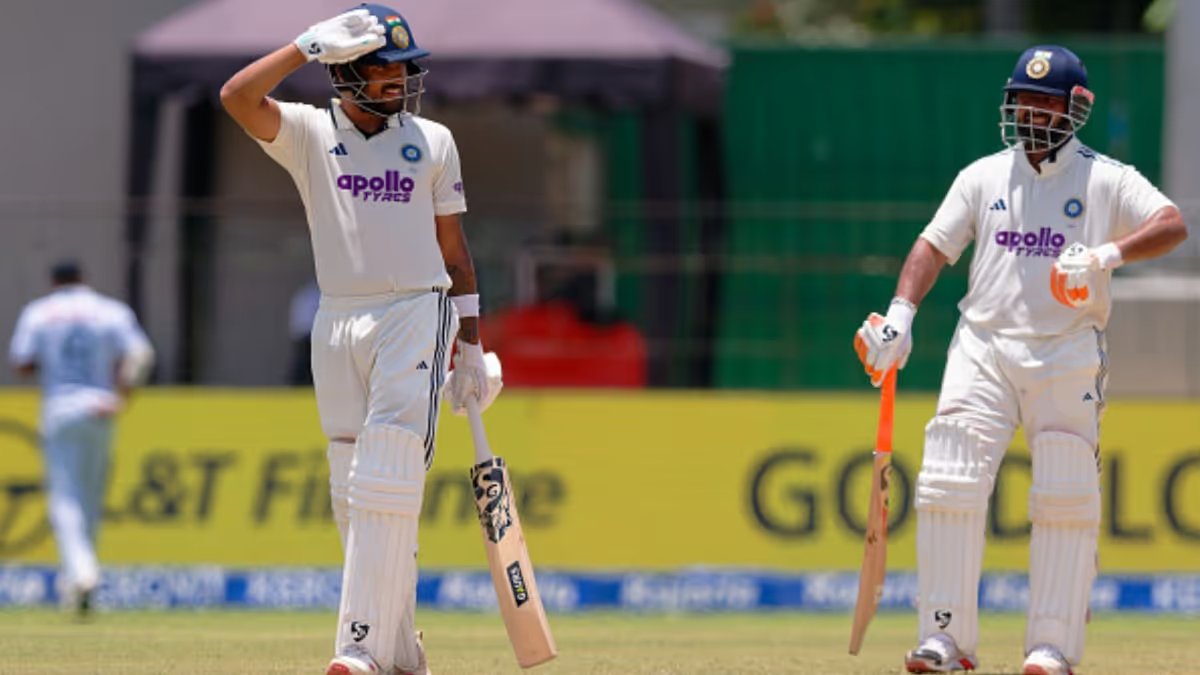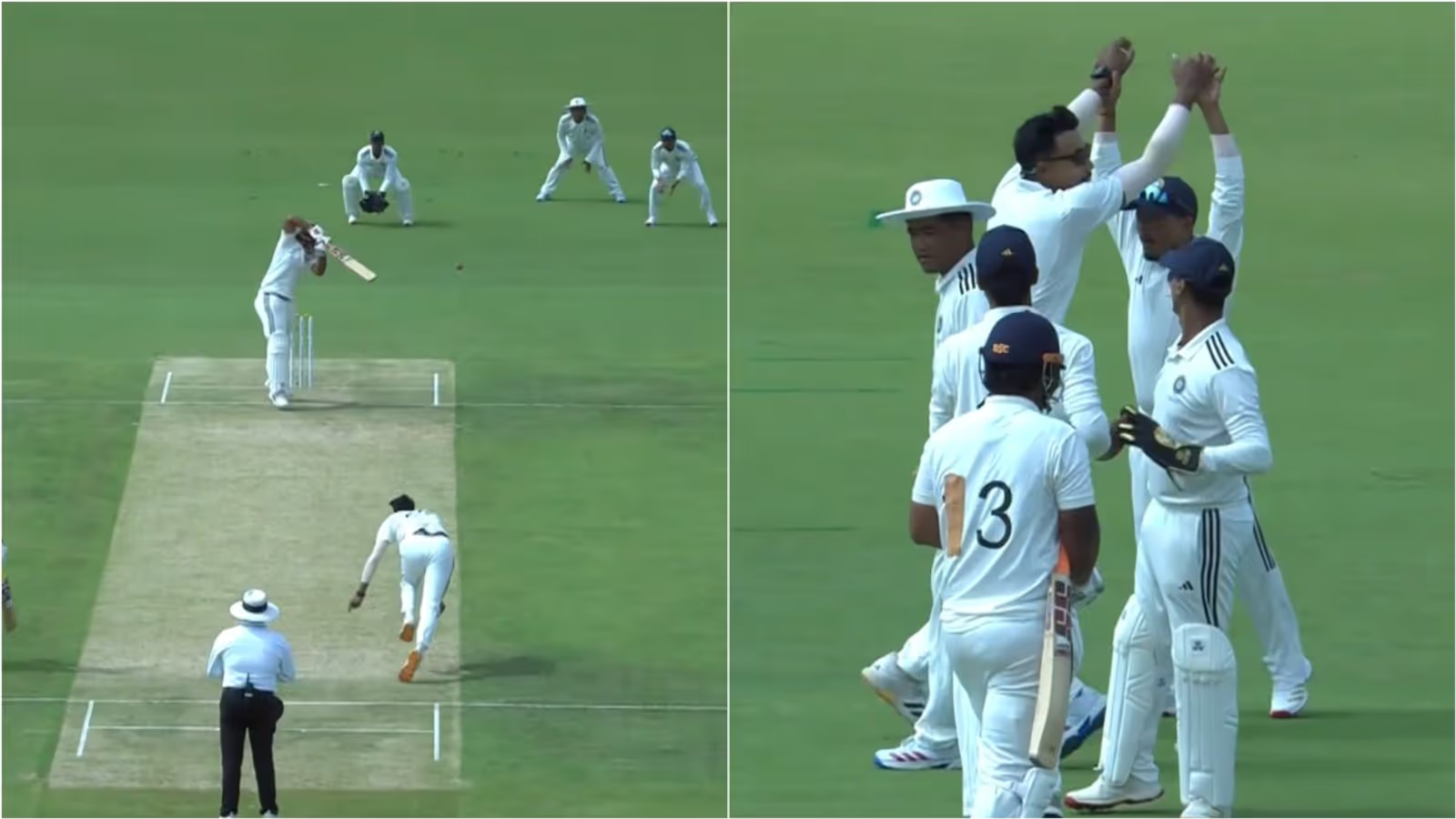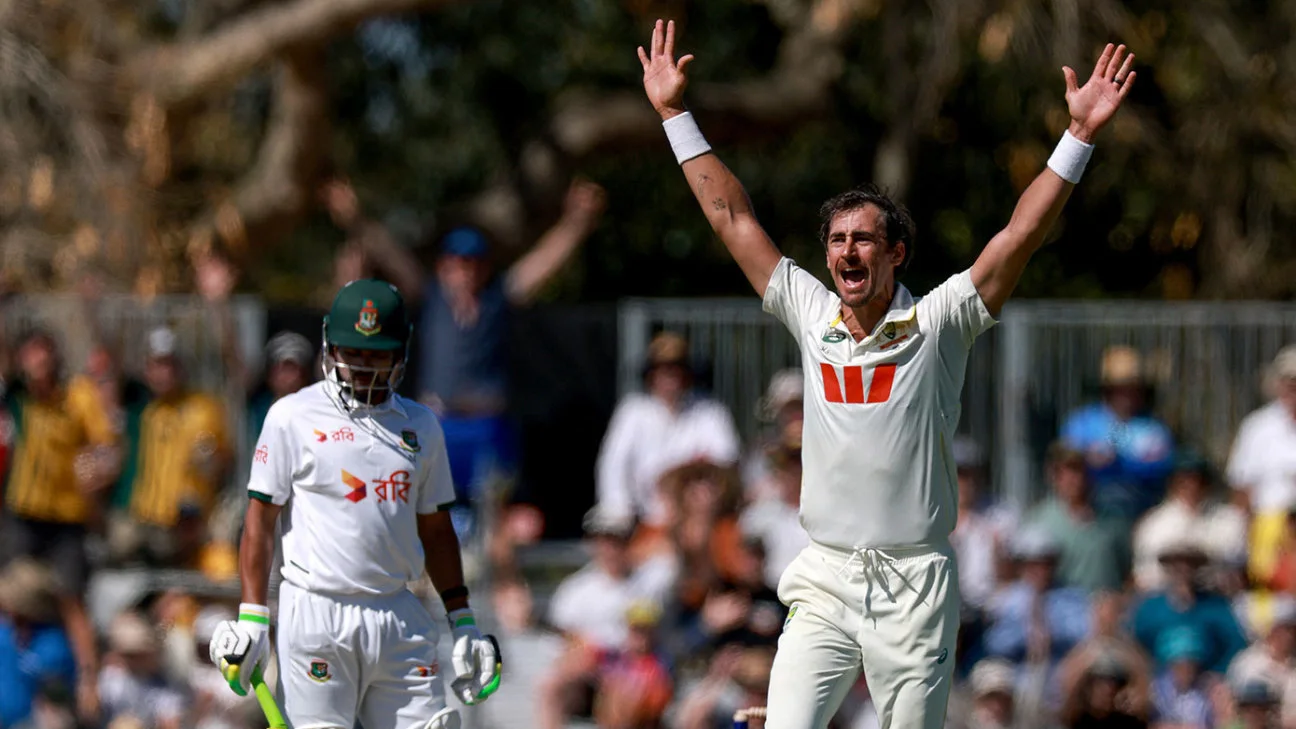
The five-match T20I series between India and England is underway in Manchester and has yet to be decided. Both teams are fresh for the second T20I, after the opening one in Chester-le-Street was washed out by rain, and are keen to take the advantage in the closely contested second match.
It seemed like India had the upper hand in the first game with a competitive 189/7 before it was interrupted by rain and England did not start their chase. It was a game in which no points were scored but certainly gave some clues on both sides to the games they were prepared for on Saturday at Old Trafford.
India’s batting started to show some signs of life.India’s batting began to paint a picture of positivity.
But the middle order of India showed quality in the first encounter despite giving up the initial wickets.
Abhishek Sharma proved his good looks once again as one of the most lethal power hitters in T20 cricket and hit 59 off 24 deliveries. Captain Shreyas Iyer was the man of the moment as he calmly and impressively scored a half-century with England’s spin attack in front of him, contributing to his first half-century in T20Is as captain.
Shivam Dube also had a great finishing hand, finishing unbeaten with a lightning 42 to take India just short of 190.
The batting side performed well, but due to frequent rain, the bowlers did not have a chance to put on a stand because of the conditions.
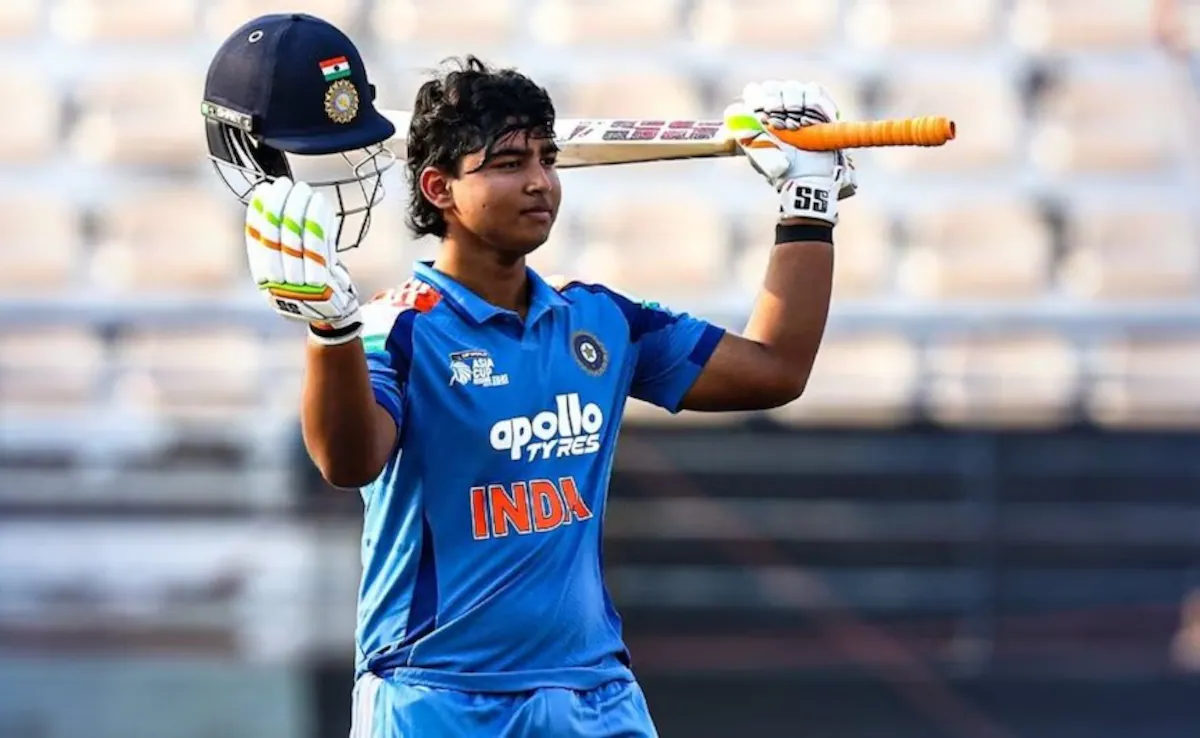
Vaibhav Sooryavanshi is still waiting for his opportunity.
The biggest news is still that Vaibhav Sooryavanshi, the teenage sensation was absent from the starting lineup.
Although the Indian management has received calls from the fans to pull out the top order, it seems that they are not ready to do so. Bowling coach Morne Morkel in recent times has made it clear that the team is a patient team who are not going to immediately make changes after a poor display with established players.
But, the new form of Sanju Samson is still a matter of discussion. Despite his performances on the UK tour, not much has changed in terms of his scores as the speculation of a change in the Indian side is mounting.
England are making two significant changes.England make two key changes.
England have locked in their starting 11 against Man U.
Joshua Tongue makes his T20 International debut, with experienced fast bowler Jofra Archer also making his return to the team. The side is in need of more pace and the pair are filling the void left by Luke Wood and Saqib Mahmood.
Once again captain Harry Brook, wicketkeeper Jos Buttler, explosive opener Phil Salt and youngster Jacob Bethell will face the Indian bowling attack.
Old Trafford Expected to Produce Another High-Scoring Match
In T20 cricket, the Old Trafford is known as one of the best bowling grounds for batsmen in England.
The recent games at the ground have seen plenty of runs and teams have been posting competitive scores at regular intervals. Recent years have seen an average first innings score from a low of 156 to a high of 183, so with clear skies and favorable conditions, it is likely that it will be a run-filled match once again.
Light showers are predicted in the early part of the day but to become clearer before play is due to commence.
Probable Playing XIs
India (Probable): Sanju Samson, Abhishek Sharma, Ishan Kishan (wk), Shreyas Iyer (capt), Tilak Varma, Shivam Dube, Axar Patel, Harshit Rana, Ravi Bishnoi/Prince Yadav, Arshdeep Singh, Varun Chakravarthy.
Phil Salt, Jos Buttler (wk), Harry Brook (capt), Jacob Bethell, Tom Banton, Sam Curran, Will Jacks, Liam Dawson, Jofra Archer, Adil Rashid and Josh Tongue.
Match Details
The match takes place between India and England in the 2nd T20I match.
Date: July 4, 2026
The match is set to take place at Manchester United’s home ground, Old Trafford, Manchester.
Time: 7:00 PM IST
The first real test of the series comes in the Manchester matchup; that contest is left unplayed after a no-decision in the first game. India will then hope to pick up from their fine batting efforts, while England will be banking on home comforts and a beefed-up bowling side to take the early lead.