


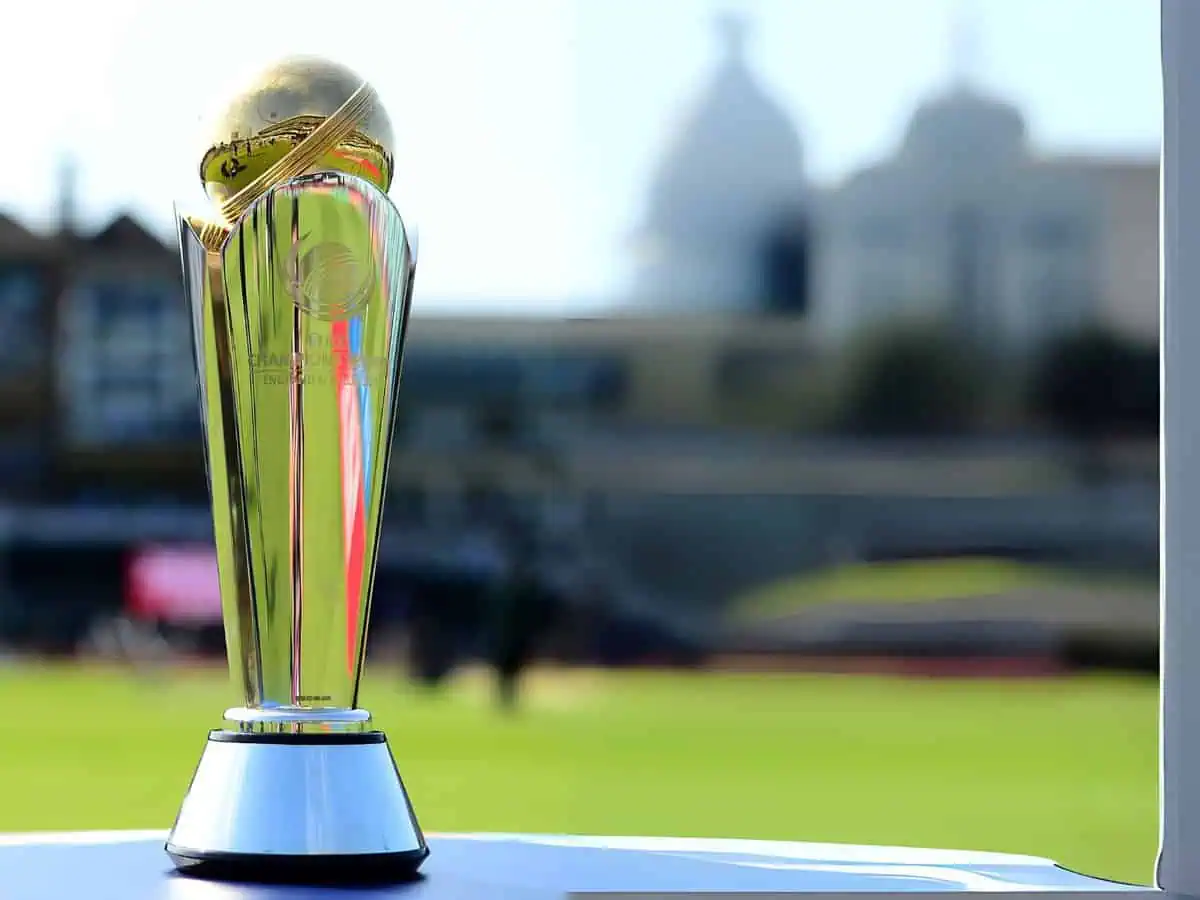
The two biggest tournaments for men, the ODI World Cup and T20 World Cup have been given a major facelift by the International Cricket Council (ICC) and new tournament formats have been approved. The governing body is looking to make all aspects of the tournaments more competitive and meaningful, with the decisions being taken at the ICC Annual Conference in Edinburgh.
The new formats will lead to more matches, more knockout rounds and will provide a more level playing field for new nations to reach deeper into ICC competitions. But the proposals will be subject to one last financial scrutiny before being confirmed later this year.
The ODI World Cup 2027 will be divided into 57 matches, with a new Super 7 stage also added.The ODI World Cup 2027 will have 57 matches, along with a new Super 7 stage.
The 2027 ODI World Cup will have 14 teams play, compared to the 10-team format in the previous two editions.
In the new system, the tournament will start with a preliminary phase of the lowest ranked teams. The victor of the group stage will proceed to the knockout round along with the other 11 nations.
The 12 teams will then be divided into two groups of 6, and the best of the best will progress to a new Super 7 stage! The Super 7 format is different from the previous Super Six format, in that each team will play each of the other 6 qualified teams, without regard to how often they have already played one another.
This arrangement could allow for the possibility of higher-profile matches such as India vs Pakistan matches to occur more than once within the same World Cup.
The top four teams in the Super 7 table will advance to the semi-finals before the tournament moves to the final, which would be played between the top two teams. In total, the new tournament will consist of 57 games, which is 9 more than the 2023 World Cup.
Bigger Opportunities in T20 World Cup
The ICC has also restructured the tournament for the 2028 Men’s T20 World Cup.
The tournament will now start with five groups of four teams, instead of four groups of five teams. The best two teams from each group will move on to face each other in a Super 10 round instead of an existing Super 8.
The Super 10 will be split into two groups of 5 teams.
The second and third teams of both the groups will face each other in Eliminator matches (like the IPL playoffs) and the winners of both Eliminators will advance to the Semi Finals, while the remaining two teams in both groups will face each other and the winner of that Eliminator match will go to the Finals. The remaining half for the semi-final line-up will be completed by the winners of those Eliminators.
The changes in the structure give more teams the chance to remain in contention throughout the tournament, and improve the number of high-pressure knockout matches.
The Qualification Pathway has been updated.
The ICC has also given the go-ahead for changes to the qualification process for the T20 World Cup 2028.
There will be 12 teams that will be automatically qualified and the rest will be determined by regional qualifiers and a Global Qualifier. Scotland have qualified for the Europe Regional Final on the new route.
The remaining qualifying spots will be allocated to the Africa, Asia, Europe, Americas and East Asia-Pacific zones and the best teams will be invited to join the 20-team World Cup.
The ICC Board has accepted the new tournament formats, but the formats will be finalised only when approved by the ICC Board’s Finance and Commercial Affairs Committee, which will consider the structures later this year.
These alterations are one of the most significant in ICC tournament formats in recent years, and will provide more competitive matches, more blockbuster tournaments, and more playing time for Associate and emerging cricket nations globally.